
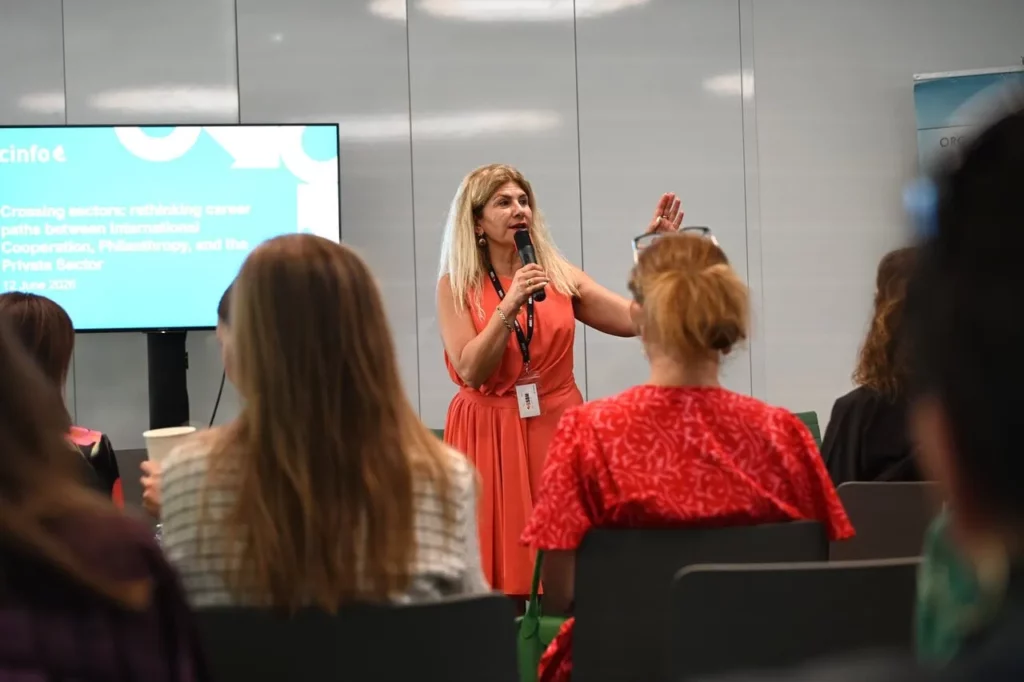
Over the years, I have had the privilege of standing in many different rooms. Some were corporate boardrooms. Others were international conferences, university lecture halls, entrepreneurship forums, leadership summits, and coaching conversations. I have stepped onto those stages wearing different hats: keynote speaker, moderator, lecturer, facilitator, coach, mentor, and community leader.
At first glance, these roles may seem centred around speaking. After all, people often see the person holding the microphone and assume that influence comes from having the answers. Yet after years of facilitating conversations across cultures, industries, and generations, I have come to a different conclusion.
The most powerful people in the room are not necessarily the ones who speak the most.
They are often the ones who create the conditions for others to contribute.
This is a lesson that has shaped not only my work as a speaker and coach but also my understanding of leadership itself. In a world that frequently rewards visibility, confidence, and certainty, we sometimes overlook a leadership skill that may be even more important: the ability to create space.
Leadership Beyond Direction
When we think about leadership, words such as strategy, vision, decision-making, and influence quickly come to mind. These are all important. However, the strongest leaders I have encountered throughout my career possess another quality that receives far less attention. They know how to create an environment where people feel comfortable bringing forward ideas, asking questions, challenging assumptions, and contributing their expertise.
In many ways, leadership is not about being the smartest person in the room. It is about helping the room become smarter together.
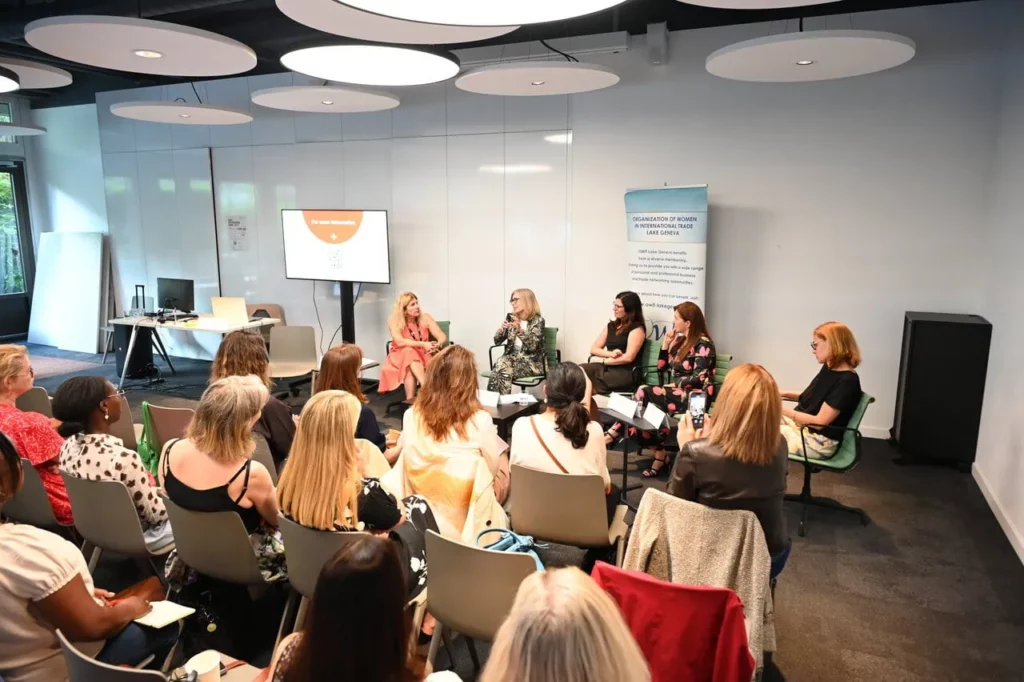
As a moderator, I have witnessed this repeatedly. The quality of a discussion is rarely determined by the topic itself. It is determined by whether participants feel safe enough to engage honestly. People quickly decide whether they are entering a room for genuine dialogue or simply a room where a few voices will dominate while everyone else listens.
The difference is significant. One creates participation. The other creates spectators.
The Hidden Power of Listening
One of the greatest surprises moderation has taught me is that people want to be heard far more than they want to impress. Behind every title, achievement, organisation, and job description is a human being looking to contribute something meaningful.
As coaches, facilitators, and leaders, we often focus our attention on those who are actively participating. Yet some of the most valuable insights come from those who have not spoken yet. The quiet observer sitting at the back of the room may hold the very perspective that shifts the entire conversation.
I have learned to pay close attention to those silent experts. They are observing. They are processing. They are deciding whether their contribution will be welcomed or dismissed. Often, all they need is an invitation and the confidence that their voice matters.
That is why inclusion is not measured by attendance. It is measured by participation.
What Public Speaking Taught Me About Facilitation
Ironically, years of public speaking have taught me more about listening than speaking. Whether I am moderating a panel, facilitating a workshop, or coaching a client, I am constantly listening beyond the words themselves. I listen for curiosity, hesitation, enthusiasm, frustration, and emerging ideas.
Great facilitation is not about preparing the next question while someone is talking. It is about understanding what is unfolding beneath the surface and helping the conversation go where it needs to go.
Sometimes the most important contribution is not what was said.
It is what was almost said.
Creating enough trust for that thought to emerge can completely transform the quality of a discussion.
The Value of Useful Silence
Another lesson that took me years to appreciate is the power of silence. Most people rush to fill silence because it feels uncomfortable. Experienced facilitators know that silence often carries valuable information.
Silence can indicate reflection. It can signal uncertainty or disagreement. Sometimes it is simply the pause before someone shares something important. Not every pause needs rescuing. Some pauses deserve patience.
The best conversations are not always the fastest. They are often the ones where people have enough space to think before they speak.
Creating the Conditions for Magic
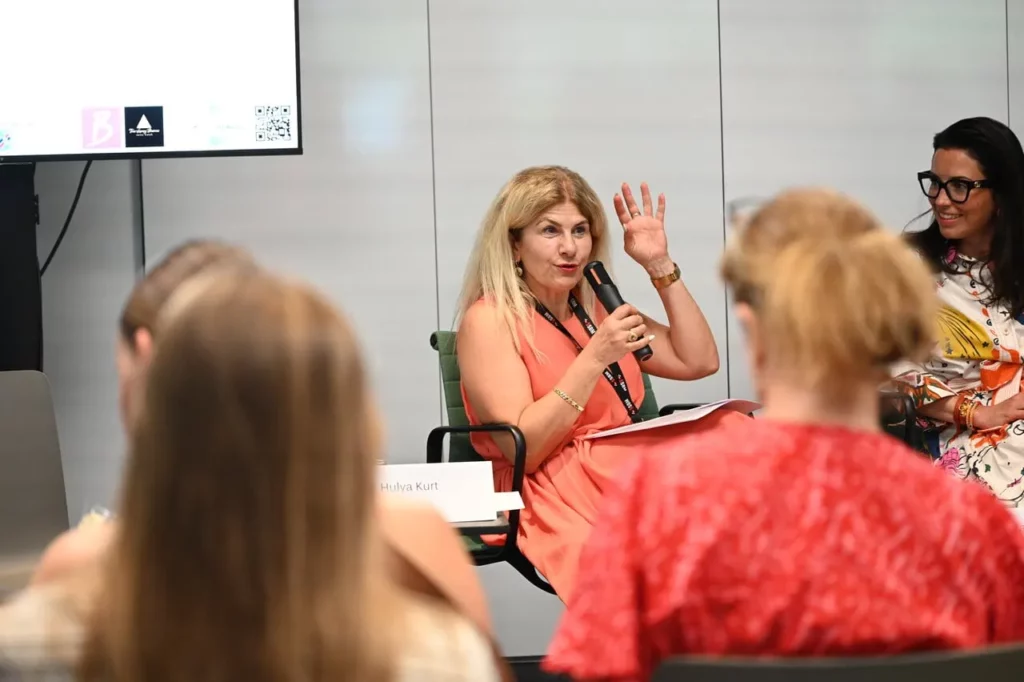
I often compare facilitation to conducting an orchestra. The conductor does not play every instrument. Their role is to bring out the best in each musician so that something greater can emerge from the collective effort.
The same principle applies to leadership. When every voice has an opportunity to contribute, new possibilities emerge. People become more engaged, ideas become richer, and solutions become stronger.
This is where real influence begins. Not by creating followers, but by creating contributors.
Final Reflection
After decades of leadership, coaching, teaching, moderating, and speaking around the world, one lesson continues to stay with me.
People do not need more leaders who speak.
They need more leaders who create space.
Space for ideas. Space for questions. Space for contribution. Space for people to think out loud without fear of judgment.
Because the quality of any room is rarely defined by who spoke the most. It is defined by how many people felt able to speak at all.
And when people feel heard, remarkable things happen. Better conversations. Better decisions. Better leadership. Better outcomes.
That is the kind of leadership our organisations, communities, and future generations need more of.
